
National Inclusion Week: Creating a more inclusive workplace
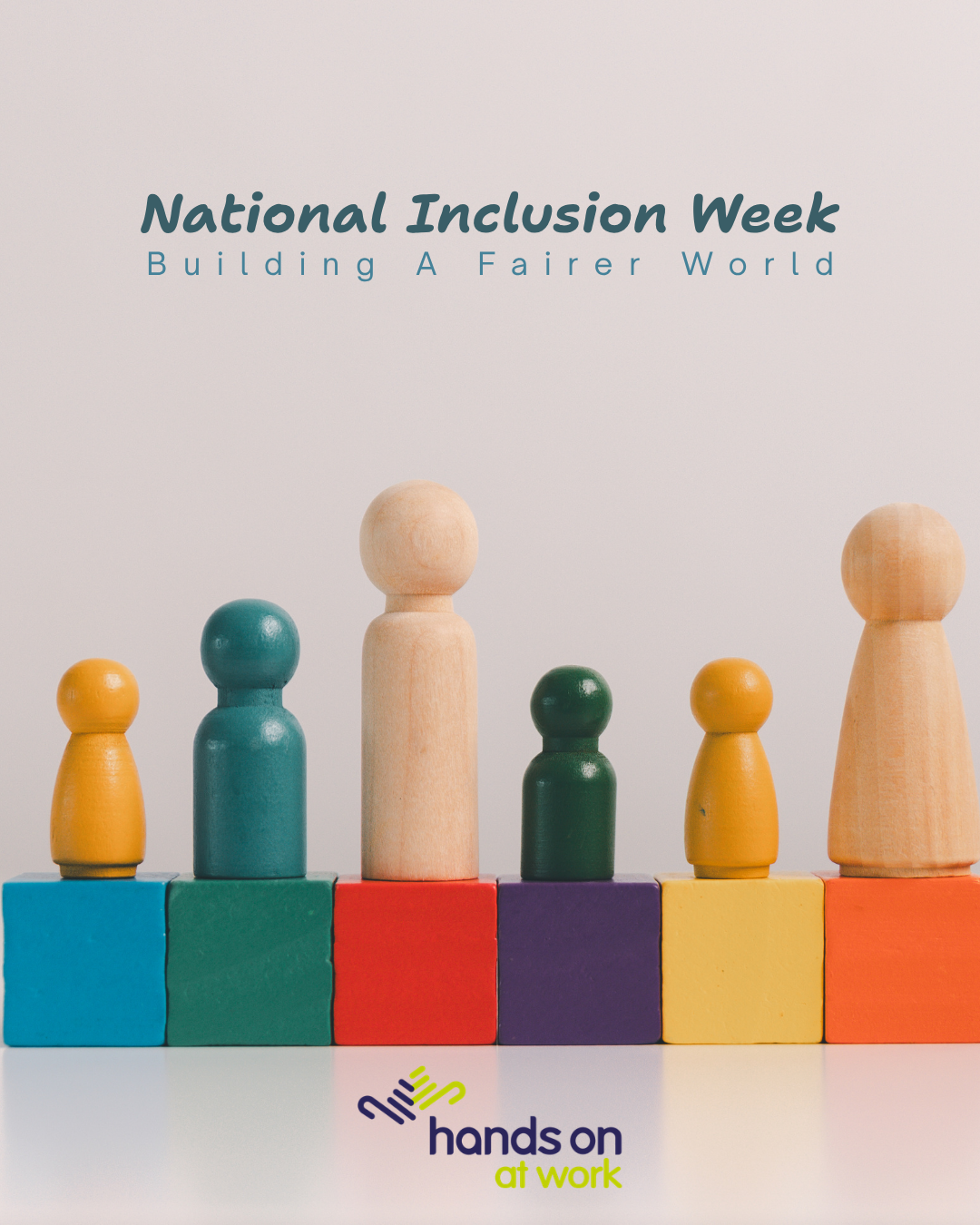
National Inclusion Week takes place from 14th to 20th September 2026 and provides an opportunity for organisations to celebrate diversity, promote belonging and consider how they can create workplaces where everyone has the opportunity to thrive.
For employers, inclusion is about more than policies and procedures. It is about creating an environment where people feel valued, respected, supported and able to be themselves at work.
An important part of an inclusive workplace is employee wellbeing.
When wellbeing support is accessible, flexible and designed around the needs of different employees, organisations can help ensure that everyone has an opportunity to prioritise their health and wellbeing.
At Hands On At Work, we believe wellbeing should be for everyone.
What is National Inclusion Week?
National Inclusion Week is an annual campaign that encourages organisations to celebrate inclusion and take action to create more inclusive workplaces.
It provides an opportunity to recognise the importance of diversity and belonging while encouraging organisations to think about what inclusion looks like in everyday working life.
For employers, this can mean looking beyond recruitment and representation and considering whether employees feel included, heard and supported once they are part of the organisation.
Why does inclusion matter in the workplace?
People are more likely to feel comfortable and engaged when they feel respected and valued at work.
An inclusive workplace can help create a stronger sense of belonging and encourage employees to participate, communicate and contribute.
Inclusion also means recognising that employees have different experiences, circumstances and needs.
A wellbeing initiative that works well for one employee may not work for another.
This is why flexibility and choice are important when developing an employee wellbeing strategy.
The connection between inclusion and wellbeing
Workplace inclusion and wellbeing are closely connected.
Feeling excluded, unsupported or unable to be yourself at work can affect confidence, mental wellbeing and engagement.
By contrast, a workplace culture that promotes belonging can help employees feel more connected to their colleagues and organisation.
Wellbeing support is one practical way employers can demonstrate that they value their people.
Providing employees with opportunities to focus on their physical and mental wellbeing can send a clear message that their health matters.
What does an inclusive wellbeing programme look like?
There is no single approach to inclusive workplace wellbeing.
The needs of employees can vary depending on their role, working pattern, age, health, culture, family circumstances and personal preferences.
A flexible programme can help organisations provide different ways for employees to engage.
This could include:
• Mental health awareness webinars
• Stress management workshops
• Nutrition sessions
• Menopause support
• Men’s health initiatives
• Mindfulness
• Yoga
• Workplace massage
• Wellbeing events
• Mental Health First Aid training
Offering a range of services can give employees greater choice and make it easier for different groups to find something that works for them.
How can employers make workplace wellbeing more inclusive?
Listen to your employees
The first step towards creating an inclusive wellbeing strategy is understanding what your employees actually need.
Employee surveys, feedback sessions and informal conversations can help organisations identify gaps in existing support.
Avoid assuming that one initiative will meet everyone’s needs.
Offer choice
Different employees engage with wellbeing in different ways.
Some may enjoy group activities, while others may prefer an educational webinar or a quieter opportunity to relax.
Providing a variety of options can make wellbeing more accessible and encourage greater participation.
Consider different working arrangements
Hybrid, remote and shift based employees may have different opportunities to access workplace wellbeing services.
Consider whether wellbeing initiatives are available to employees across different locations, shifts and working patterns.
Virtual webinars and online workshops can help extend access to geographically dispersed teams.
Make wellbeing accessible
Think about the physical and practical accessibility of wellbeing activities.
Consider the location, timing, format and communication of each initiative.
The goal should be to make it as straightforward as possible for employees to participate.
Avoid a one size fits all approach
An inclusive workplace recognises that employees are individuals.
For example, menopause support, men’s health initiatives, mental health support and nutrition education may all address different wellbeing needs.
A varied programme allows employees to choose the support that is most relevant to them.
Why belonging matters
Belonging is an important part of inclusion.
Employees who feel that they belong can be more likely to feel connected to their colleagues and organisation.
Creating opportunities for employees to connect can therefore form an important part of workplace wellbeing.
Wellbeing events can provide informal opportunities for colleagues to interact outside their usual working routines, while workshops and awareness sessions can create shared experiences and conversations.
Even small opportunities to connect can contribute to a stronger workplace culture.
How Hands On At Work can support inclusive wellbeing
At Hands On At Work, our workplace wellbeing services can be tailored to the needs of different organisations and their employees.
We understand that every workforce is different, which is why we offer a flexible range of wellbeing services that can be delivered in different formats.
Workplace Massage
Our on site workplace massage service gives employees an opportunity to step away from their working day and focus on themselves.
It can be delivered as part of a wellbeing day, employee appreciation initiative, conference or ongoing workplace wellbeing programme.
Wellbeing Webinars
Our webinars provide accessible information across a wide range of health and wellbeing topics.
Sessions can be delivered virtually, making them suitable for hybrid and geographically dispersed teams.
Topics can include mental health, nutrition, stress management, resilience, menopause and men’s health.
Wellbeing Workshops
Interactive workshops can provide employees with practical information and tools to support their wellbeing.
These can be tailored to suit the needs of your organisation and workforce.
Mental Health First Aid Training
Mental Health First Aid training can help employees and managers develop greater awareness and confidence around mental health.
It can also support organisations in creating a culture where conversations about mental health are welcomed.
Inclusion should be part of everyday working life
National Inclusion Week provides a valuable opportunity to focus attention on inclusion, but creating an inclusive workplace should not be limited to one week each year.
It should be reflected in the way organisations communicate, manage, support and engage with their people throughout the year.
The same applies to wellbeing.
A single wellbeing event can be valuable, but creating regular opportunities for employees to access support can have a greater impact over time.
Wellbeing should be for everyone
An inclusive approach to workplace wellbeing recognises that employees have different needs and different ways of looking after themselves.
Providing choice, flexibility and accessible support can help more people engage with workplace wellbeing.
For employers, it is an opportunity to demonstrate that every employee matters.
At Hands On At Work, we can help organisations create meaningful wellbeing experiences designed around their people.
Looking to create a more inclusive wellbeing programme?
Whether you are planning activities for National Inclusion Week or developing a longer term workplace wellbeing strategy, our team can help.
Get in touch with Tina and Chantall at Hands On At Work to discuss your requirements: info@handsonatwork.co.uk
